


Project
What is DiaNA
The NSCLC Diagnostics – Algorithm (DiaNA) project is a research initiative conducted by the International Centre for Cancer Vaccine Science (ICCVS) at the University of Gdańsk. Its goal is to develop and validate novel blood-based diagnostic methods for non-small cell lung cancer (NSCLC). The project focuses on solutions that are fast, accessible and suitable for large-scale screening, with results that can be interpreted using standardized algorithms.
The implementation of the DiaNA project takes place thanks to the funding from the Medical Research Agency within the framework of the competition for scientific entities to carry out applied research in the biomedical area (2024 ABM/03/KPO) within the National Recovery and Resilience Plan, Component D Efficiency, Accessibility and Quality of the Health System, Investment D3.1.1 Comprehensive development of research in medical and health sciences. The project has been supported with 14 896 000 PLN (~3,5 million EUR) from MRA for 01.10.2024-31.05.2026.
Why it matters
The challenge
Lung cancer remains one of the leading causes of cancer-related mortality worldwide. Non-small cell lung cancer accounts for approximately 85% of all lung cancer cases.
Current diagnostic methods are often limited by accessibility, cost, and a high rate of false-positive results.
Our response
DiaNA addresses these challenges by developing minimally invasive blood-based diagnostic approaches supported by advanced data analysis and machine learning tools.
Our diagnostic approaches
Method 1
Flow cytometry–based diagnostics
Blood samples are analyzed using flow cytometry, a standard clinical technology. A dedicated panel of antibodies enables the characterization of immune cell populations, particularly natural killer (NK) cells. Results are interpreted using a graphical algorithm, allowing rapid assessment without the need for highly specialized personnel.
Method 2
Mass spectrometry–based diagnostics
This approach focuses on identifying cancer-specific peptides (neoantigens) present in blood samples of NSCLC patients. Initial studies indicate the presence of unique peptide signatures detectable only in affected individuals.
Project objectives

Development of innovative blood-based diagnostic methods for NSCLC

Validation of diagnostic accuracy and reproducibility

Integration of machine learning for result interpretation

Improving accessibility of lung cancer screening
News
Stay up to date with the latest developments, milestones and announcements related to the DiaNA project.
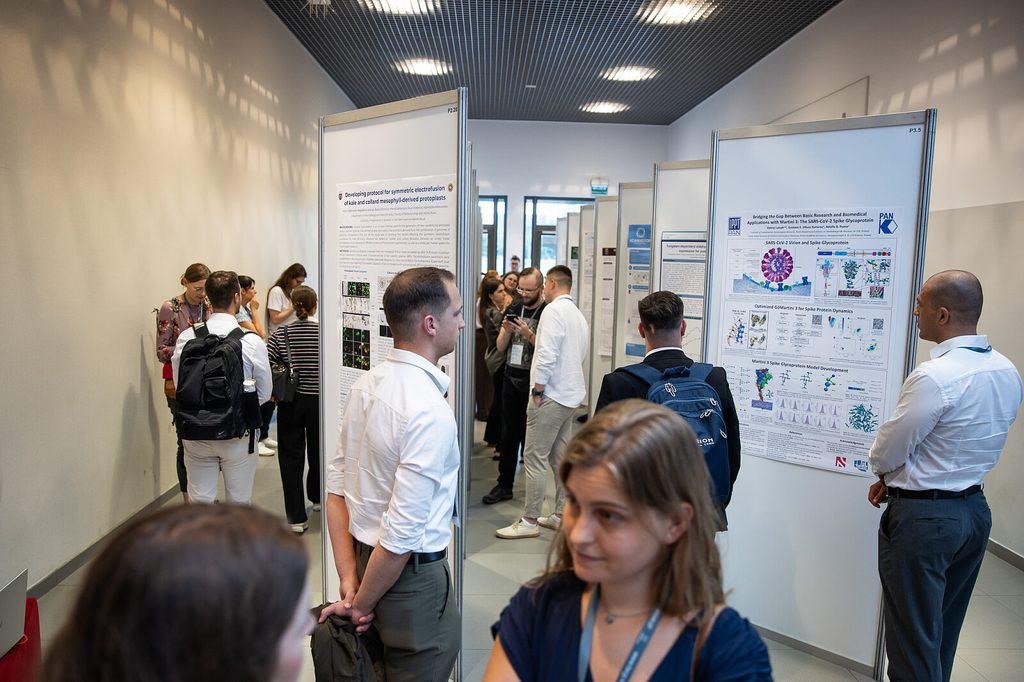
Dr Artur Piróg at Eurobiotech 2026
The project “NSCLC Diagnostics – Algorithm (DiaNA)” has been successfully completed, marking the end of an important stage of work on the development of a solution for lung cancer diagnostics. While the project has formally come to an end, the communication and dissemination activities are being continued. A recent example is the participation of Dr […]

Prof. Natalia Marek-Trzonkowska Among the Top 10 Women in Biotech in Poland
We are proud to announce that Prof. Natalia Marek-Trzonkowska, Director of our Centre, has been recognized among the Top 10 Women in Biotech in Poland during the Perspektywy Women in Tech Summit 2026. Prof. Marek-Trzonkowska received the award in the ‘Biotech for a Better World’ category in recognition of her pioneering research on the therapeutic […]
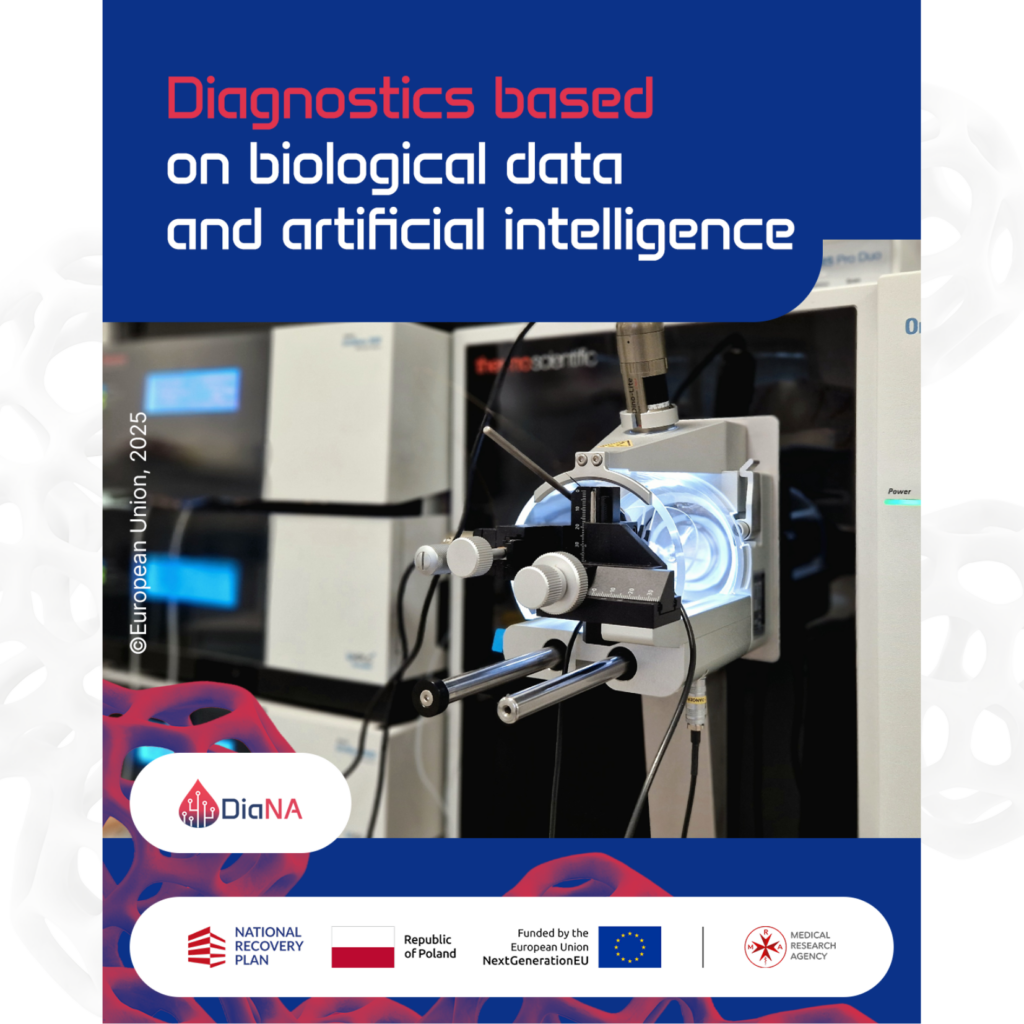
DiaNA Project: From a Blood Sample to Diagnostic Insight
The NSCLC Diagnostics – Algorithm (DIANA) project, implemented at the International Centre for Cancer Vaccine Science (ICCVS), University of Gdańsk, under the leadership of Prof. Natalia Marek-Trzonkowska, explores whether a single blood sample can provide clinically relevant information for lung cancer diagnostics. The project addresses one of the most pressing challenges in modern oncology. Lung […]
ABOUT US

About the team
The DiaNA project is carried out at the International Centre for Cancer Vaccine Science (ICCVS), University of Gdańsk — a leading research center focused on innovative cancer diagnostics and immunotherapy.
Project leader
Prof. Natalia Marek-Trzonkowska
Project leader, ICCVS University of Gdańsk
Expert in cancer immunology and translational research.
Contact
For media inquiries, collaboration opportunities or general questions regarding the DiaNA project, please contact us.
Coordinator: University of Gdańsk,
International Centre for Cancer Vaccine Science
ul. Kładki 24,
80-822 Gdańsk, Poland
iccvs@ug.edu.pl
iccvs.ug.edu.pl